
What does it mean to be "intelligent" when your brain is wrapped around your esophagus and two-thirds of your neurons are located in your arms?
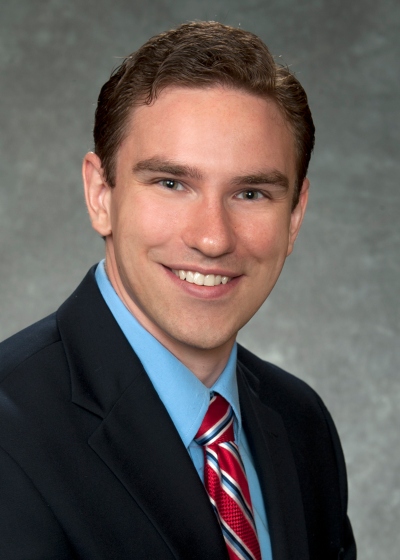
In his engaging presentation, University of Mount Union biochemistry professor Dr. Keith Miller will dive beneath the surface of the octopus’s alien anatomy to explore the fundamental biochemistry that powers their remarkable problem-solving skills and emotional lives when he presents “Eight Arms, Three Hearts, One Mind: Exploring the Molecular Ingredients for Intelligence” on Tuesday, May 17 at 7 p.m. at Rodman Public Library.
Registration is required.
By comparing the molecular architecture of the octopus mind with our own, we will discover the shared chemical language — from neurotransmitters to protein receptors — that bridges the gap between our two species despite 500 million years of separate evolution.
Attendees can expect a fascinating journey into the molecular blueprint of consciousness. We will discuss how nature arrived at "intelligence" through two very different evolutionary paths, revealing what makes the octopus mind so distinct and what its sophisticated chemistry tells us about the nature of thought itself.
Whether you are a fan of Sy Montgomery’s The Soul of an Octopus or simply curious about the wonders of the brain, you will walk away with a deeper appreciation for the molecular magic that connects us to one of the ocean's most mysterious and spirited inhabitants after listening to Miller.
Miller, who lives in Atwater, earned his bachelor's degree in chemistry from Mount Union College (2004) and a doctorate in biochemistry and biophysics from the University of North Carolina at Chapel Hill (2013).
For more than 12 years at Mount Union, he has focused on building primary literature reading, writing, and analysis skill sets for his students in biochemistry and medicinal chemistry courses. During the summer of 2019, he was a visiting professor of Universitat Politecnica de Valencia in Valencia, Spain teaching biotechnology.
His research interests are on the interface of biochemistry, immunology, and pharmaceutical sciences. Students in his laboratory work to design liposome-based nanoparticle drug delivery strategies for activation of immune cells in cancer immunotherapy.
Furthermore, he is actively engaged in science communication for the public and regularly gives public seminars on vaccines, biotechnology, and other biochemical applications in society.
Outside of the classroom, he spends time hiking, being a board game enthusiast, practitioner of European and Japanese fencing, and working on his amateur acting at Shakespeare at the Castle.