
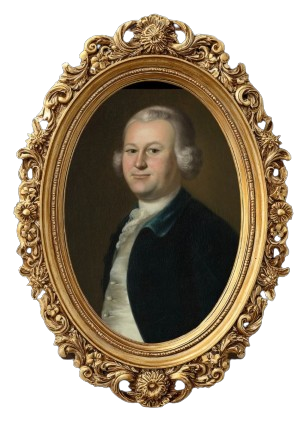
He provided the spark that ignited the fight for independence, yet his name is not as widely recognized among the early patriots of the United States, making James Otis Jr. a perfect subject for the April installment of the “Forgotten Founders” lecture series.
At 6 p.m. on Monday, April 13, local history enthusiast Sid Zufall will enlighten Rodman Library patrons about the influential figure when he presents “James Otis Jr.: The Forgotten Flame of American Liberty."
Registration is required to attend the lecture, which is co-sponsored by Rodman Public Library and the Alliance Historical Society as part of Alliance’s America 250 festivities.
Otis, the brother of March’s subject, Mercy Otis Warren, was one of the earliest and most influential voices challenging British authority in the American colonies — years before the Revolutionary War began. Although he is overshadowed by later figures, his ideas helped shape the philosophical foundation of the movement that eventually led to independence.
Born in 1725 in Massachusetts, Otis was a brilliant lawyer who initially worked within the British colonial system. His reputation changed dramatically in 1761 when he resigned his position as advocate general of the Massachusetts Admiralty Court to argue against the legality of the Writs of Assistance — broad search warrants that allowed British officials to search homes and businesses for smuggled goods without specific evidence. In a fiery five-hour speech before the Massachusetts Superior Court, Otis declared that these writs violated the natural rights of English subjects. He argued that government power must be limited by law and that citizens had a fundamental right to privacy and property.
Although the court ultimately upheld the writs, Otis’s speech electrified colonial audiences. A young lawyer in attendance, John Adams, later wrote that “then and there the child Independence was born.” Otis’s argument framed resistance to British policies not merely as a political dispute but as a defense of fundamental rights.
Otis continued to advocate for colonial liberties throughout the 1760s. He served in the Massachusetts legislature and wrote influential pamphlets, including The Rights of the British Colonies Asserted and Proved (1764). In it, he advanced the idea that taxation without representation was unjust, arguing that colonists, as British subjects, possessed the same natural rights as people living in Britain. His writing helped popularize the principle that legitimate government must rest on the consent of the governed.
While Otis did not live to see independence fully realized, his ideas profoundly influenced later revolutionary leaders such as Samuel Adams and John Hancock. His insistence on natural rights, limits on government authority, and the illegitimacy of arbitrary searches would later echo in American constitutional principles, including protections against unreasonable searches and seizures in the Fourth Amendment to the United States Constitution.
In many ways, James Otis Jr. helped move colonial protest from complaints about policy to a broader argument about liberty and rights. His speeches and writings planted the intellectual seeds of the American Revolution, making him an essential — if sometimes forgotten — founder of the movement for independence.
Other subjects in the lecture series, presented by Zufall, include:
May 11 – “Joseph Warren: Doctor of Democracy”
June 15 – “John Hancock: The Signature of Liberty”
June 29 – “John Shreve and John Stark: Alliance’s Connections to the Revolutionary War,” which will be presented by Rodman Public Library Community Relations Manager Jack Weber, a member of the Alliance Historical Society’s board of trustees.
[REGISTER FOR 11 A.M. PROGRAM]